Tag: About Bell’s palsy

How to cope with long-term Bell's palsy and Ramsay Hunt syndrome

Coping with long-term Bell’s palsy and Ramsay Hunt Syndrome

Coping with Bell's palsy or Ramsay Hunt Syndrome for 1 month or 10 years, can be equally difficult. We want to help you with that.
What is Ramsay Hunt Syndrome

What is Ramsay Hunt Syndrome?

Ramsay Hunt Syndrome is a diagnosis of facial palsy caused by herpes virus. How does it happen, and what does it mean for your recovery?
Ramsay Hunt Syndrome vs Bells palsy

How similar is Ramsay Hunt Syndrome to Bell’s palsy?

Everyone is saying that Bell's palsy and Ramsay Hunt are totally different disorders. Is the difference between then indeed so significant?
Five facts about Bell's palsy

Five important details to remember about Bell’s palsy

With so much information about Bell's palsy, it may be difficult to remember everything. Here are 5 details about Bell's palsy you should keep in mind at all times.
Atrophy of facial muscles

Can facial palsy lead to the atrophy of facial muscles?

In many sources, you can find information that facial muscles can atrophy if you suffer from a long Bell's palsy recovery. Let's see if that is true.
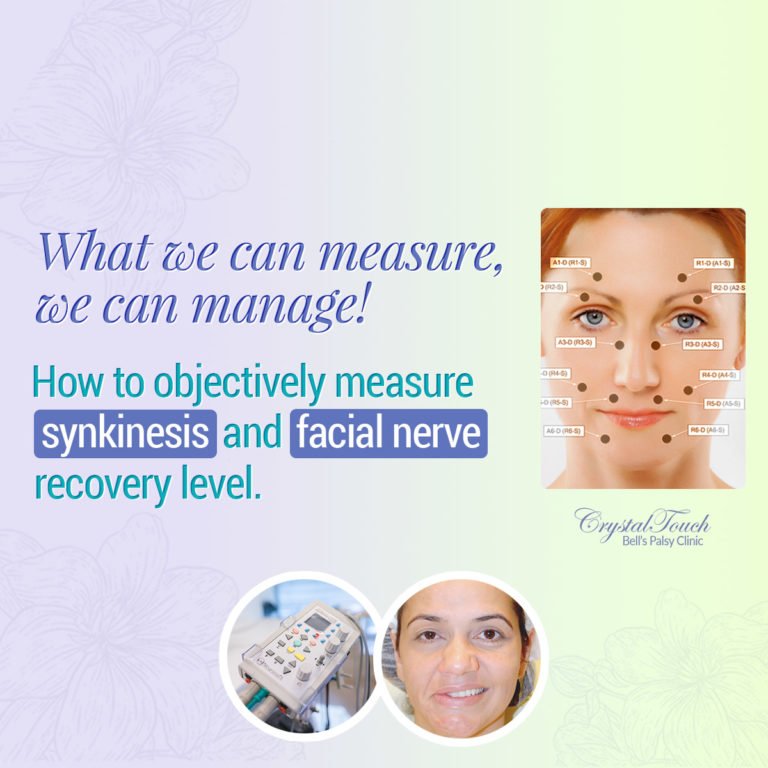
Measuring synkinesis and facial nerve recovery level

How to objectively measure the facial nerve recovery level and synkinesis after Bell’s palsy?

Learn about how we objectively measure the recovery level of the nerve and the extent of synkinesis.
Acute Bell's palsy - What to do, what not to do and what to expect

Acute Bell’s palsy: what to do, what not to do, and what to expect?

What you should do and what you should avoid when Bell's palsy happens? This is also applicable to Ramsay Hunt Syndrome.
Long-term Bell's Palsy Q&A Webinar

Free webinar for all long-term (12+ months) Bell’s palsy, Ramsay Hunt Syndrome and other peripheral facial palsy patients.

More information

Image for Bell's Palsy Online Consultation - a screen with a woman sculpting her face
Video Consultation
with Dr. Alex Pashov

Personalized diagnostics of your condition. Understand your current situation, symptoms, and recovery possibilities.

Portrait photo of Alex Pashov