
The Netherlands is notable for its development of “Mime Therapy,” a specialized form of physical rehabilitation for facial palsy and resulting synkinesis. Treatment for synkinesis (involuntary muscle movement accompanying voluntary movement, often seen after facial nerve recovery) is typically multidisciplinary, combining physical therapy, pharmacological intervention, and sometimes surgery.
1. Mime Therapy (Neuromuscular Retraining)
- Origin and Description: Mime Therapy was developed in the Netherlands in the 1980s through collaboration between an otolaryngologist and a mime actor. It is considered a first-line, evidence-based treatment for the sequelae of long-standing peripheral facial palsy, including synkinesis.
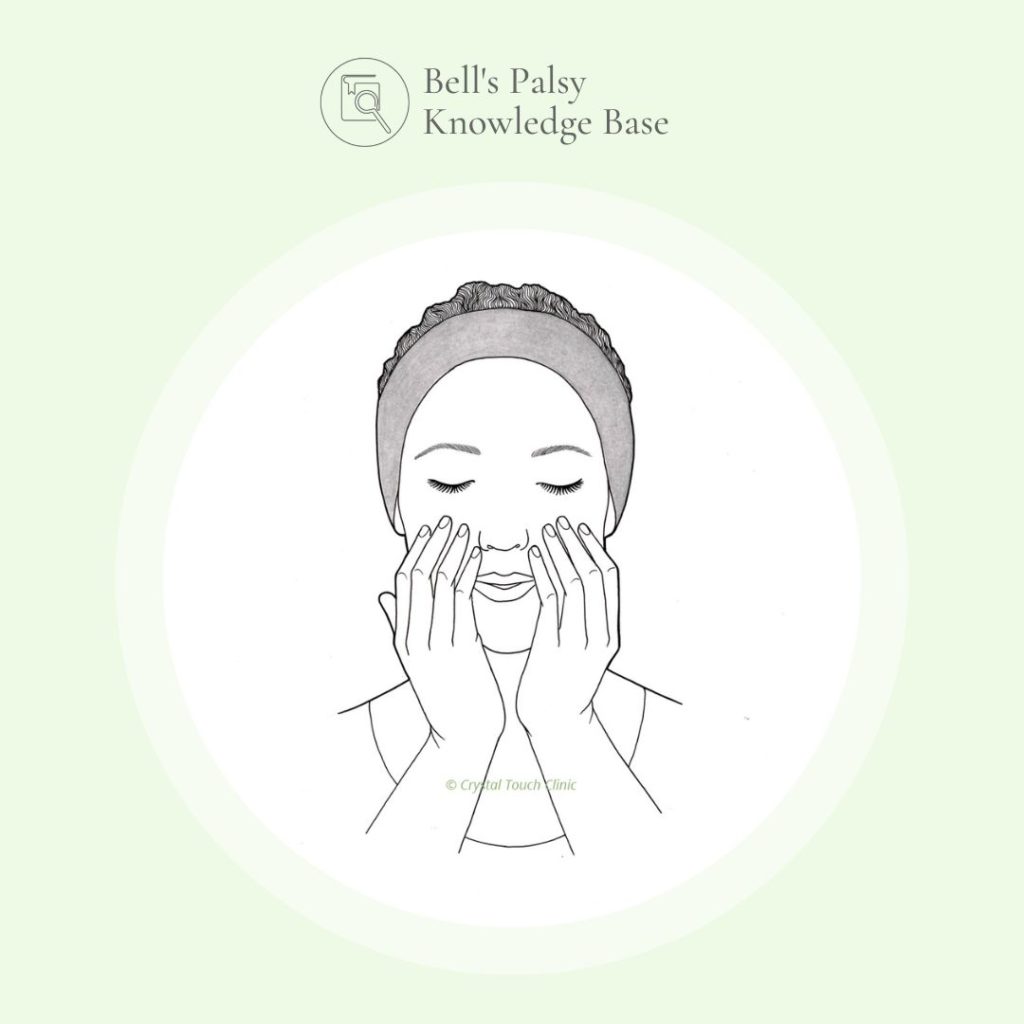
- Methodology: The treatment focuses on exercises to improve coordination, muscle control, and relaxation. It includes:
- Facial movement exercises
- Self-massaging and stretching
- Relaxation techniques
- Mirror work
- Education about verbal and non-verbal communication.
- Goal: The aim is to help the brain “recall” normal, symmetrical facial movements, reduce excessive tension (contractures), and gain finely differentiated control over facial muscles to lessen synkinesis manifestations.
2. Pharmacological Treatment (Botulinum Toxin Injections)
- Application: Botulinum toxin type A (BTX-A, commonly known as Botox) is a highly common and effective treatment, often used in combination with facial exercise therapy.
- Mechanism: Botox is injected into the overactive muscles causing the synkinesis (e.g., the eye muscles causing squinting during a smile, or the depressor muscles causing a downturned mouth). It temporarily paralyzes or weakens these muscles, reducing their involuntary contraction and improving facial symmetry.
- Specialization: Clinics and centers in the Netherlands offer individualized BTX-A treatment, recognizing that dosage and injection sites are highly patient-specific due to the varying patterns of synkinesis.
3. Specialized Centers and Methods
- Radboudumc Center of Expertise: Located in Nijmegen, Radboudumc hosts a multi-disciplinary Facial Team. This center is recognized for specialist care and research for facial paralysis. Their comprehensive approach includes:
- Mime therapy.
- Botulinum toxin for synkinesis.
- A full range of surgical options, from static corrections (lifts, gold weights for the eyelid) to dynamic corrections (nerve transfers, free tissue transfers like the gracilis muscle for smile restoration).
- Crystal Touch Clinic (Rotterdam): This clinic specializes in long-term facial palsy and synkinesis rehabilitation, utilizing a proprietary approach called Neuro-Proprioceptive Rehabilitation (NPR) Method.
- Focus: The NPR method focuses on addressing synkinesis as a learned, pathological facial movement pattern (a conditioned reflex) that can be reversed using negative feedback and specific non-invasive techniques.
- Note: The Crystal Touch clinic does not use botulinum toxin injections or plastic surgery, focusing purely on the physical rehabilitation method.
4. Surgical Options (For Refractory Cases)
While rehabilitation and Botox are often first-line treatments, surgical options are considered for severe, refractory cases of synkinesis. These procedures are typically performed at major medical centers like the Radboudumc.
- Selective Neurectomy/Myectomy: Targeted procedures to cut specific nerve branches or remove small portions of overactive muscles (often around the eye/mouth) to reduce involuntary movements.
- Dynamic Reanimation Procedures: Used in cases of long-term paralysis where movement is desired, these complex surgeries can involve nerve transfers (like the Masseteric nerve transfer) or muscle transfers (like the Gracilis muscle) to restore a dynamic smile, which then requires intensive neuromuscular retraining.